Technical Assistance
Direct support to customer personnel in the operation, configuration, and technical management of deployed systems.
Mission-critical systems require more than successful delivery and installation.
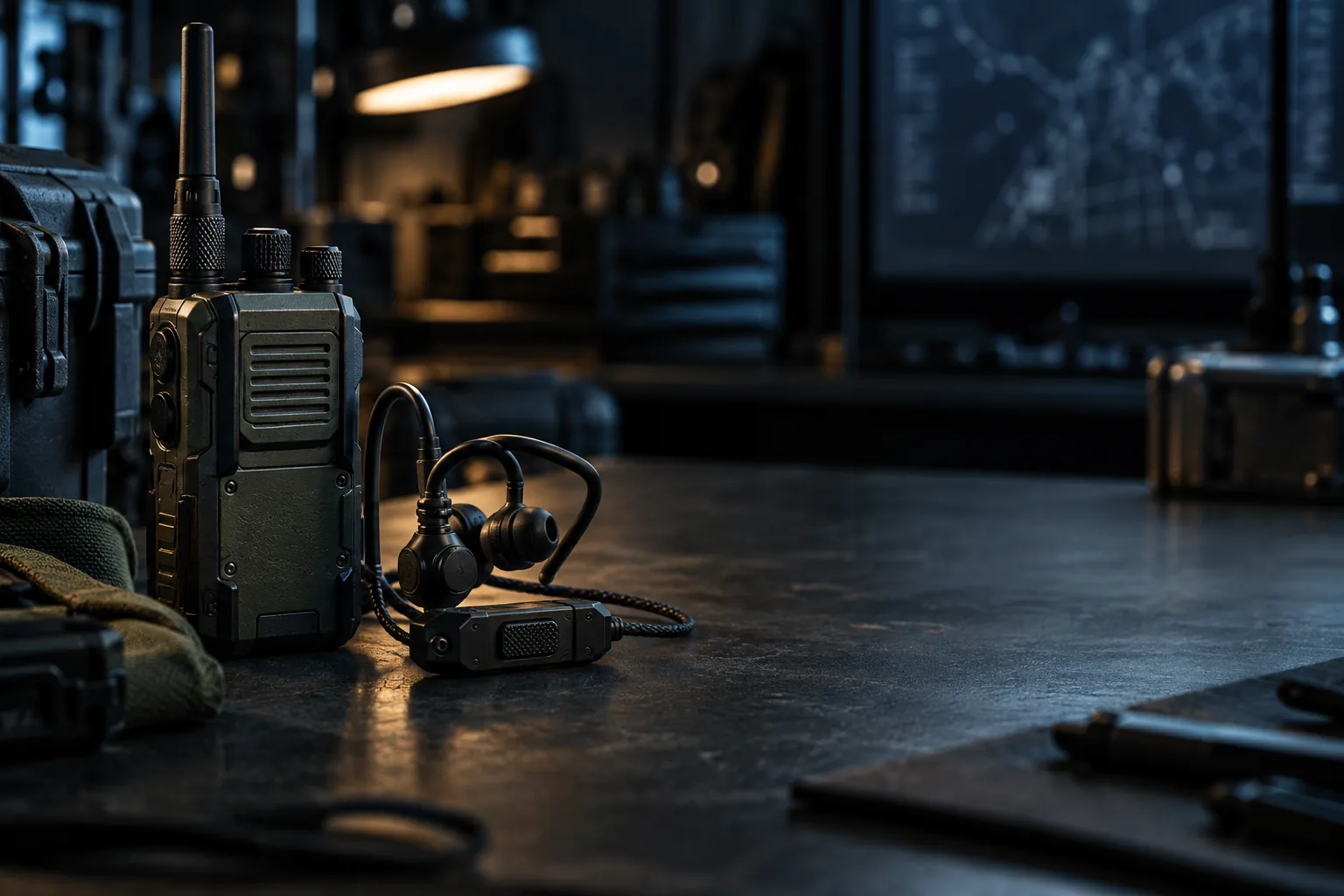
Once a solution becomes operational, customers need access to reliable technical expertise, effective troubleshooting, continued knowledge transfer, and support that understands both the technology and the environment in which it is used.
For this reason, S3 provides lifecycle support and Field Service Representative (FSR) services for the solutions we deliver.
Technical support is most effective when expertise is available close to the customer.
S3's support model combines local presence with access to international technical expertise.
Where required, experienced Field Service Representatives can work locally alongside customer personnel, providing direct assistance with deployed systems while maintaining access to S3, our integration partners, and technology manufacturers.
This creates a support structure that connects:
Customer Personnel → Local FSR → S3 → Integration Partners → Technology Manufacturer
Routine issues can be addressed close to the customer, while more complex technical matters can be escalated to the appropriate level of specialist or manufacturer support.
The customer therefore benefits from a local point of technical assistance backed by a wider international support network.
Our objective is to help customers maintain system availability, resolve technical issues efficiently, develop internal expertise, and continue receiving value from their technology investments throughout the operational lifecycle.
Expertise Close to the Customer
The FSR provides more than traditional technical support.
The FSR works alongside customer personnel and develops an understanding of the deployed systems, technical environment, operational requirements, and recurring support needs.
Where appropriate, FSR personnel combine technical expertise with relevant military and operational experience.
This combination helps bridge the gap between technical functionality and operational use.
Rather than considering a system only from an engineering perspective, an experienced FSR can better understand how the technology is used in practice and help customer personnel identify effective solutions to day-to-day technical challenges.
Depending on the solution and customer requirements, FSR services can include:
Direct support to customer personnel in the operation, configuration, and technical management of deployed systems.
Identification and analysis of technical issues, development of appropriate corrective actions, and coordination of additional specialist support when required.
Assistance with system configuration, communications planning, network configuration, software settings, and other technical parameters within the agreed scope of support.
Continuous transfer of practical knowledge during day-to-day interaction with customer personnel.
This allows learning to continue beyond formal training sessions.
Support for personnel who have completed formal training by helping them apply acquired knowledge to real systems and practical technical tasks.
Where Train-the-Trainer programs have been delivered, FSR personnel can assist customer instructors as they develop their own experience and transfer knowledge within their organization.
Support in identifying configuration or implementation improvements that can help customers use deployed capabilities more effectively.
Coordination with S3, integration partners, and technology manufacturers when additional engineering expertise or higher-level technical support is required.
Technical assistance when systems are expanded, updated, reconfigured, or integrated with additional capabilities.
A locally available specialist can continuously support the customer by answering technical questions, helping personnel apply their training, identifying potential issues, sharing practical experience, and assisting with system development.
The FSR becomes a technical link between the customer, S3, integration partners, and technology manufacturers, helping information and expertise move efficiently in both directions.
Formal training provides the foundation. Day-to-day experience develops expertise.
Following training, personnel inevitably encounter new questions and situations as they begin using systems independently.
Local FSR support helps bridge this transition.
Instead of knowledge transfer ending when a training program is completed, it can continue through practical interaction between the FSR and customer personnel.
This creates a continuous capability-development process:
Training → Practical Use → FSR Support → Knowledge Sharing → Greater Independence
Over time, customer personnel develop greater confidence and technical competence while maintaining access to specialist assistance when required.
The objective of FSR support is not to create permanent dependence on an external specialist.
Our approach is designed to strengthen the customer's own technical capability.
Through troubleshooting performed together with customer specialists, explanation of technical decisions, practical demonstrations, configuration support, and continuous knowledge sharing, the FSR helps local personnel develop deeper expertise.
As customer capability grows, routine activities can increasingly be handled internally, while S3 and its partners remain available for more complex technical requirements.
This supports a sustainable transition from:
External Expertise → Shared Expertise → Stronger Local Capability
FSR services form part of a broader S3 lifecycle support approach.
Depending on customer requirements and the technologies involved, support can include:
Support arrangements can be adapted to the complexity of the solution, customer requirements, available internal expertise, and required level of local presence.
Not every technical issue can or should be resolved at the same level.
S3 uses a structured support approach that allows issues to be addressed by the appropriate source of expertise.
Trained operators, administrators, and technical personnel address tasks within their areas of responsibility.
Local specialists assist with troubleshooting, configuration, technical questions, and knowledge transfer.
S3 specialists address integration issues, solution-level questions, and coordination between different technologies.
Specialized technical matters can be coordinated with integration partners and technology manufacturers when deeper product or engineering expertise is required.
This approach helps provide efficient support while ensuring that complex issues can reach the specialists best equipped to address them.
S3 does not operate in isolation.
Our support model is strengthened by cooperation with our technology and integration partners, providing access to specialized knowledge when required.
For solutions involving partner technologies, S3 can coordinate technical matters with the relevant organizations while remaining the customer's local point of engagement.
This combination provides customers with the advantages of both local responsiveness and international expertise.
Delivery is not the end of our involvement.
From initial deployment and training to day-to-day technical assistance, troubleshooting, knowledge transfer, system development, and future modernization, S3 can remain engaged throughout the operational lifecycle of the solutions we provide.
Our goal is straightforward:
Keep systems effective. Develop local expertise. Support long-term capability.
Local Presence. International Expertise.